


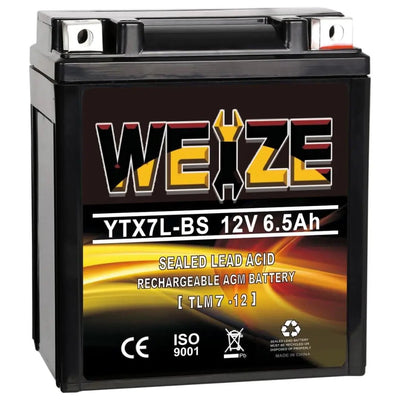
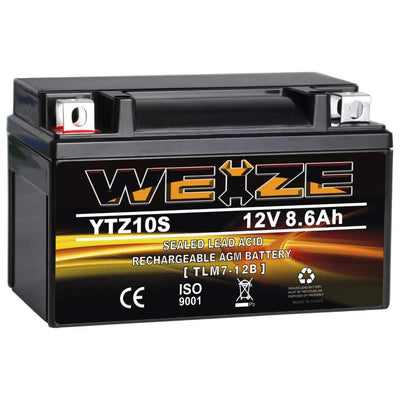
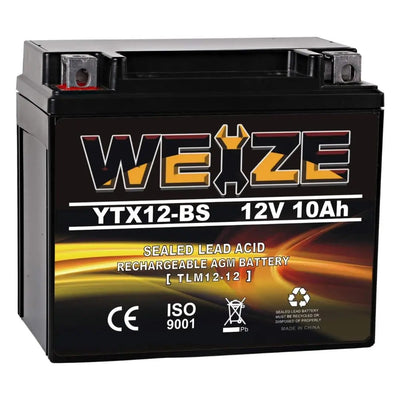
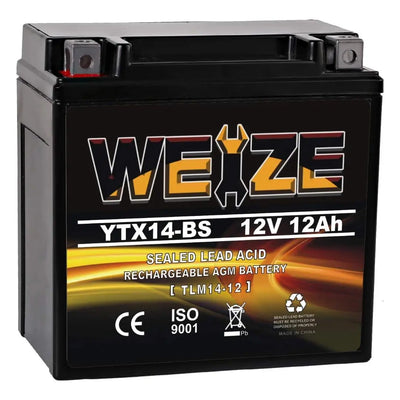


Ever wondered why your RV battery dies so fast? Or why your car struggles to start on a cold morning? Or why some batteries cost twice as much but promise to last three times longer?
Batteries aren’t just “things that store power”—they’re smart systems designed for specific jobs. Picking the wrong one can mean poor performance, extra cost, and even safety risks.
This guide breaks down the battery world into plain language. You’ll learn the key types, terms, and what really matters for your project—whether you’re powering a motorcycle, a cabin, or a backup system.
Common Battery Types and Where They’re Used
By Battery Chemistry
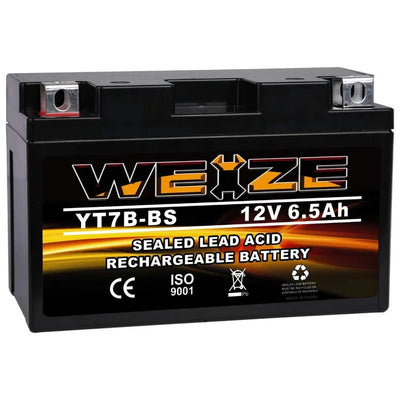
Lead-acid batteries have been around for decades. They’re affordable, reliable, and widely used in vehicles and backup power systems. However, they are heavier and have a shorter lifespan compared to newer technologies.
(Lithium Iron Phosphate) Batteries
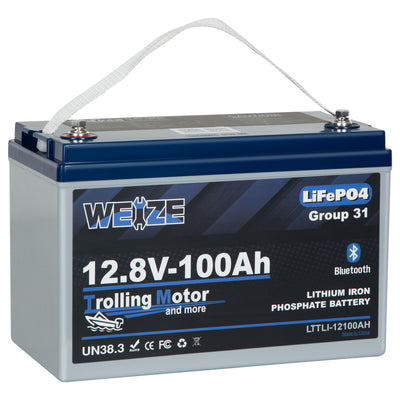
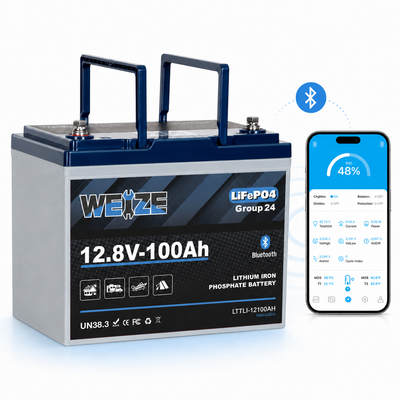
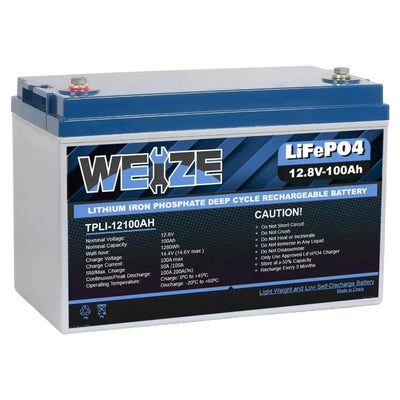
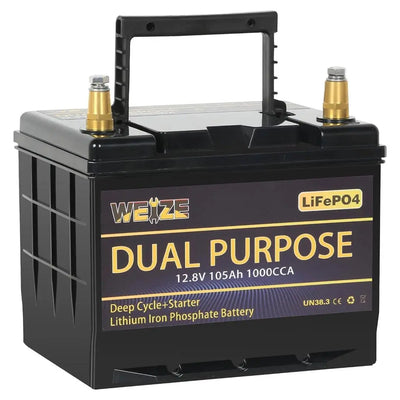
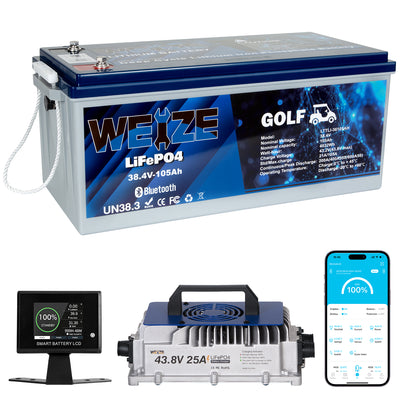
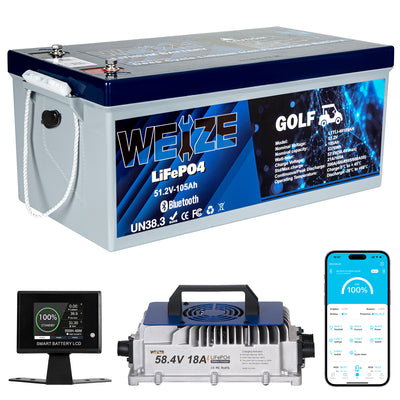
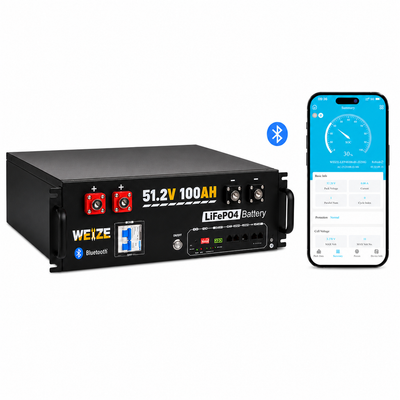
LiFePO4 batteries are a newer lithium-based technology. They offer a longer cycle life, lighter weight, and more stable performance. While the upfront cost is higher, they often last much longer and deliver better long-term value.
By Primary Use
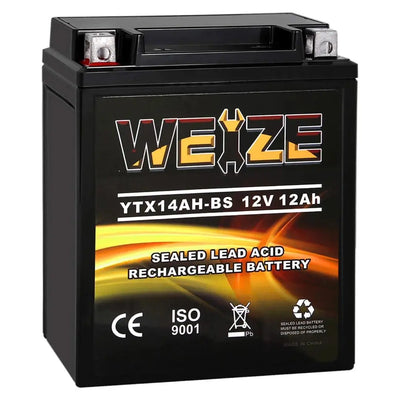
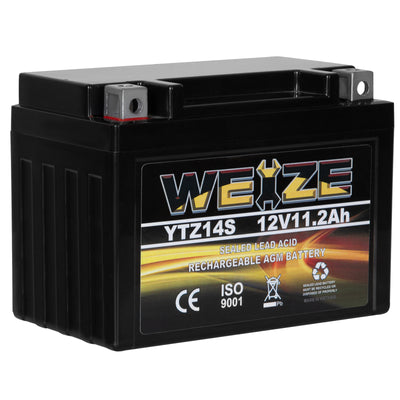
Starting Batteries
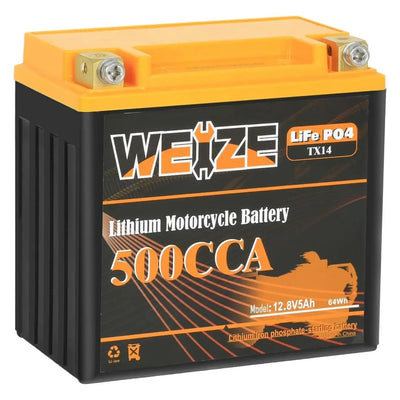
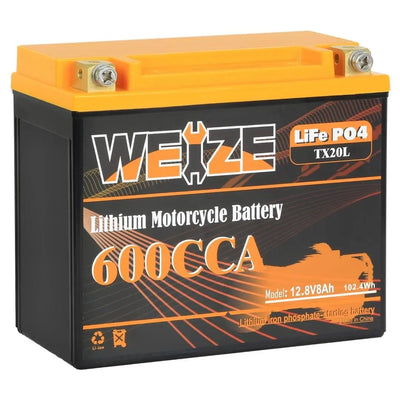
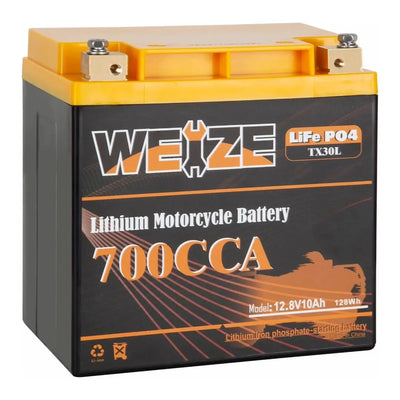
Designed to deliver a short burst of high current to start engines. Commonly used in cars, motorcycles, ATVs, and trucks.
Deep Cycle Batteries
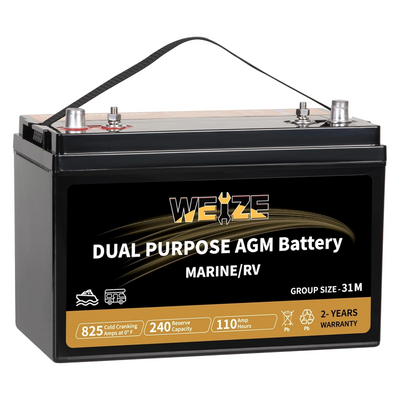
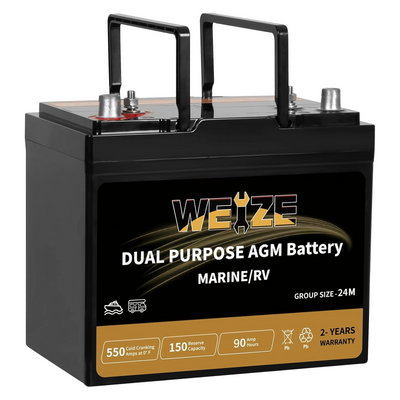
Built to deliver steady power over long periods and handle repeated deep discharges. Common applications include RVs, boats, solar systems, and off-grid energy storage.
Battery Terms You’ll See (Explained Simply)
Voltage (V)
Think of voltage as electrical pressure—it pushes electricity through a system.
Current (A / Amps)
This is the flow of electricity.
Capacity (Ah – Amp Hours)
Shows how much charge a battery can store.
Example: A 100Ah battery can theoretically supply 10A for 10 hours.
Energy (Wh – Watt Hours)
Total usable energy in a battery.
Formula: Voltage × Capacity
Example: 12.8V × 100Ah = 1280Wh
Power (W – Watts)
How fast energy is delivered at a given moment.
How Batteries Charge and Discharge
CC–CV Charging (The Industry Standard)
Most modern chargers use Constant Current / Constant Voltage (CC–CV) charging:
-
Constant Current (CC) – The battery charges quickly while voltage rises
-
Constant Voltage (CV) – Voltage stays fixed while current gradually decreases
This method protects the battery and extends its lifespan.
Understanding SOC and DOD
SOC (State of Charge)
Similar to your phone’s battery percentage—it shows how much energy remains.


DOD (Depth of Discharge)
How much of the battery’s capacity has been used.
-
Lead-acid batteries last longer when DOD is kept below ~70%
-
LiFePO4 batteries can safely handle close to 100% DOD
Common Usage Patterns
Cycle Use
The battery is charged, used, then recharged.
Typical for solar storage, RVs, marine systems, and off-grid power.
Standby (Float) Use
The battery stays connected to a charger and waits to supply power if needed.
Common in UPS systems and emergency backup power.
Understanding the Lead-Acid Battery Family
Not all lead-acid batteries are the same:
SLA / Deep Cycle Batteries
Sealed, maintenance-free, and commonly used for energy storage.
GEL Batteries
Use gelled electrolyte. Safer, leak-resistant, and more tolerant of deep cycling.
AGM (Absorbent Glass Mat)
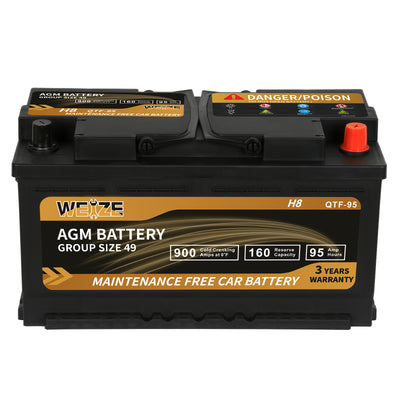
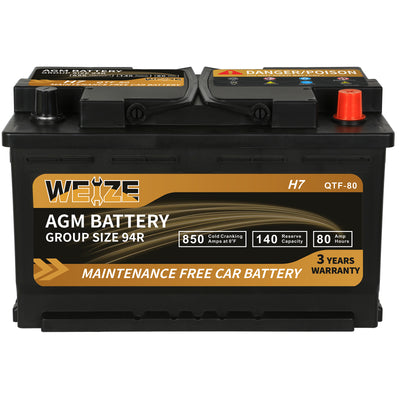
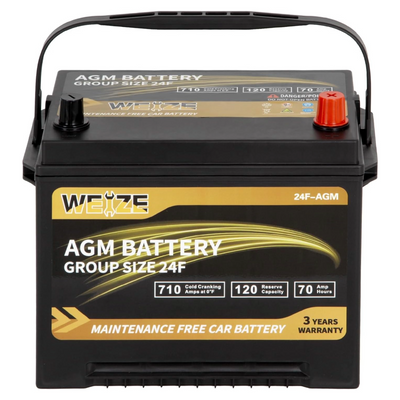
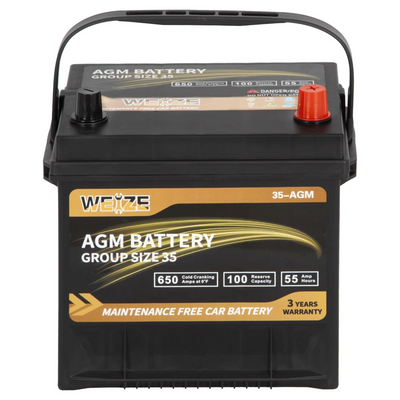
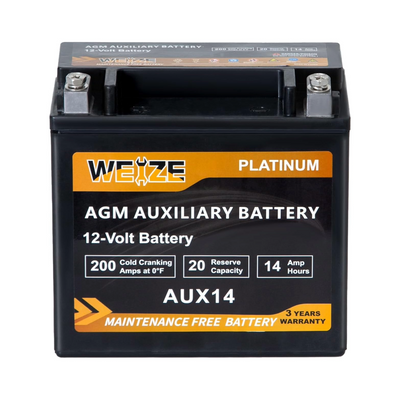
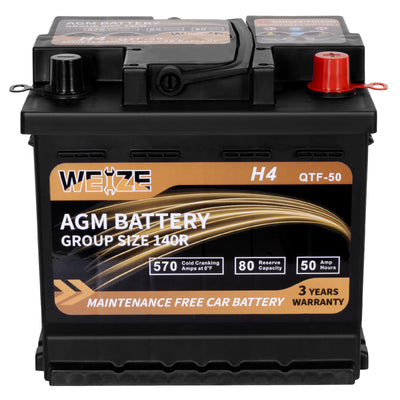
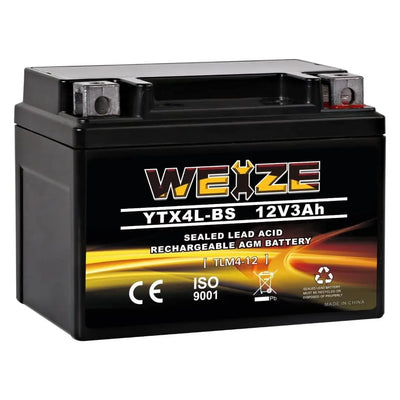
Provide strong starting power, resist vibration, and are popular in motorcycles and modern vehicles.
EFB (Enhanced Flooded Battery)
An upgraded flooded battery often used in basic start-stop vehicles.
LiFePO4 Batteries and BMS Protection
A typical 12V LiFePO4 battery consists of four 3.2V cells connected in series, creating a 12.8V system.
But the real brain is the BMS—Battery Management System.
Think of the BMS as the battery’s built-in guardian. It constantly monitors and protects the battery by:
-
Preventing overcharging (which can cause fire risk)
-
Stopping over-discharging (which kills cell life)
-
Balancing cells for even performance
-
Protecting against shorts and excessive current
This isn’t just a feature—it’s the core of lithium battery safety and longevity. Without a BMS, lithium batteries can be dangerous. That’s also why you should always use a LiFePO4-compatible charger.
Voltage and Current Basics for 12V Systems
Resting Voltage
-
Lead-Acid: ~12.8V – 13.2V when fully charged
-
LiFePO4: ~13.2V – 13.5V when fully charged
Low Voltage Protection
Most 12V systems disconnect loads around 10.5V – 10.8V to prevent damage.
Charging Voltages
-
Float Voltage: 13.5V – 13.8V (standby use)
-
Bulk / Absorption Voltage: 14.4V – 14.6V
After charging, voltage naturally settles to its resting level.
Recommended Charge & Discharge Rates
-
Charging: ~0.2C
(Example: 100Ah battery → 20A charge current) -
Continuous Discharge: ≤0.5C
(Example: 100Ah battery → 50A continuous load)
Staying within these limits helps maximize battery life and reliability.
What Is CCA?
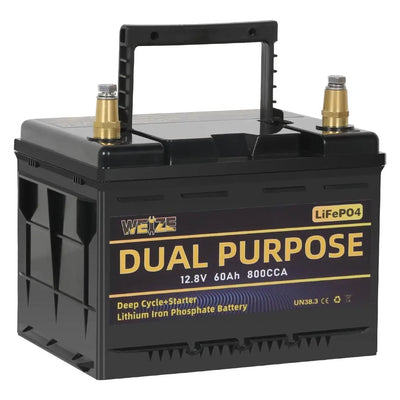
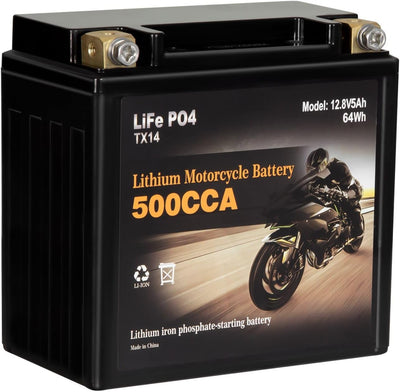
CCA (Cold Cranking Amps) measures how much current a battery can deliver at 0°F (-17.8°C) for 30 seconds.
A higher CCA rating means better cold-weather starting performance—critical for vehicles and motorcycles.
How to Choose the Right Battery
Cars & Motorcycles
Focus on battery type and CCA rating that meets your vehicle’s requirements.
RV, Marine, and Solar Systems
Choose deep cycle batteries. Consider capacity, cycle life, and total lifetime value. LiFePO4 often offers better long-term performance despite higher upfront cost.
Backup Power & UPS
Select batteries designed for standby (float) operation.
Safety Tip
Always use a charger compatible with your battery type and follow manufacturer guidelines.
Final Thoughts
Batteries may look simple, but choosing the right one—and using it correctly—can make a major difference in performance, safety, and long-term cost.
If you’re unsure which battery fits your application, consulting a professional or a trusted battery supplier is always a smart move.


