
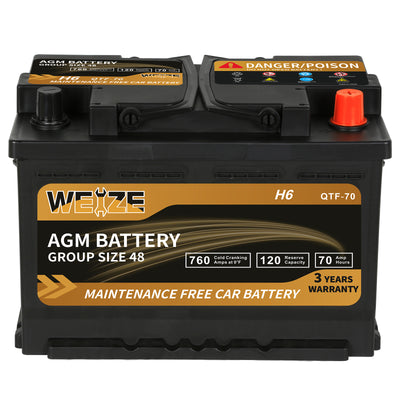
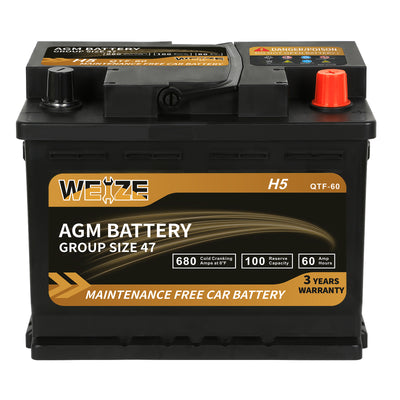
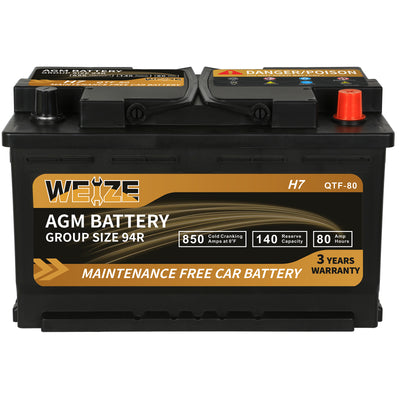
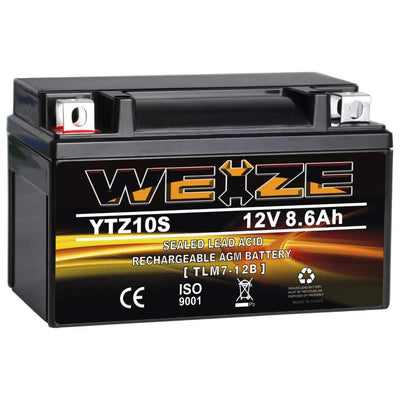
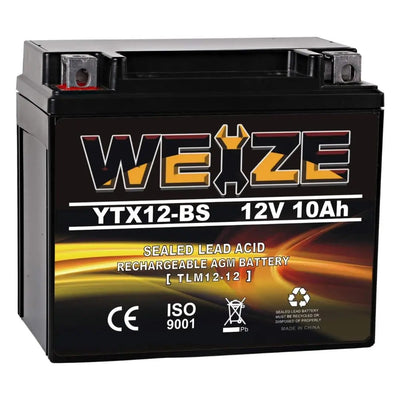
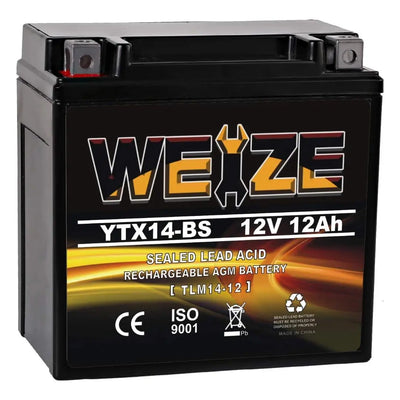
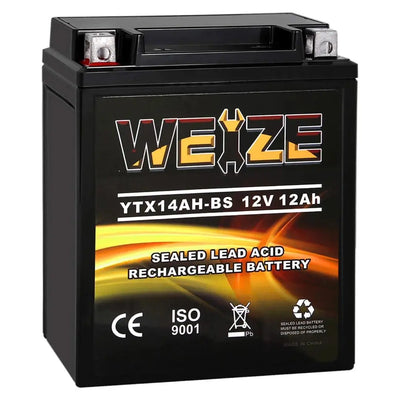


When you turn the key on a freezing morning or crank up the AC in summer traffic, your car’s battery is the silent hero making it all work. Yet not all car batteries are built the same. These days, you’ll often see two main types on the shelf: the traditional flooded lead-acid battery and the AGM (Absorbent Glass Mat) battery.
So, what really sets them apart—and which is right for your vehicle? Let’s break it down in a way that makes sense for everyday drivers, not engineers.
What They Are—In Plain English
A traditional lead-acid battery uses liquid electrolyte that freely floods the lead plates inside. It’s been the industry standard for decades—simple, affordable, and effective, but not without its drawbacks.
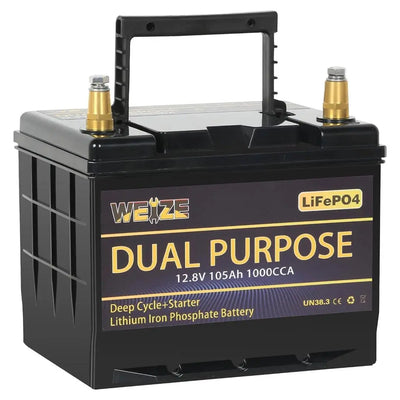
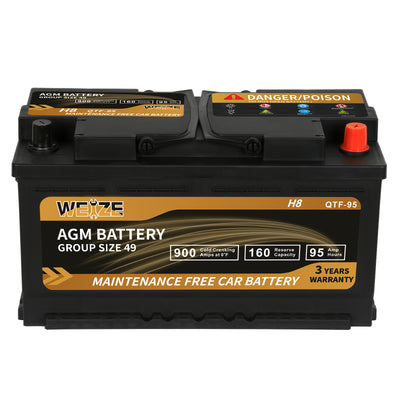
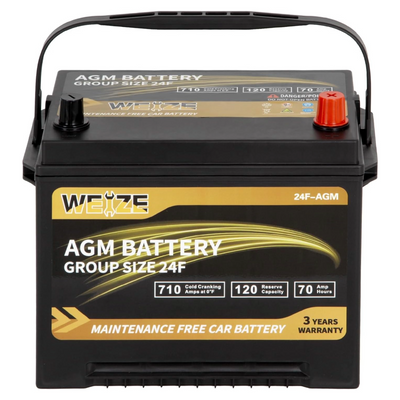
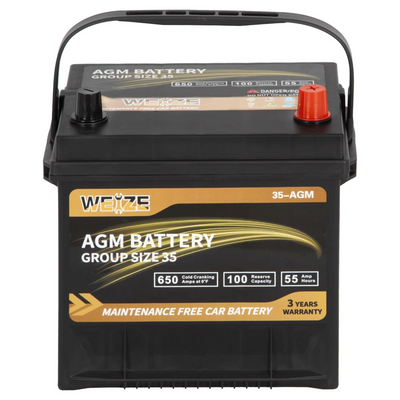
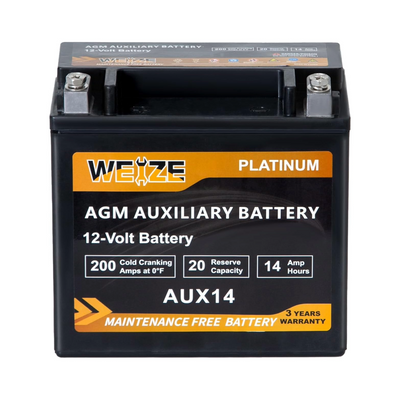
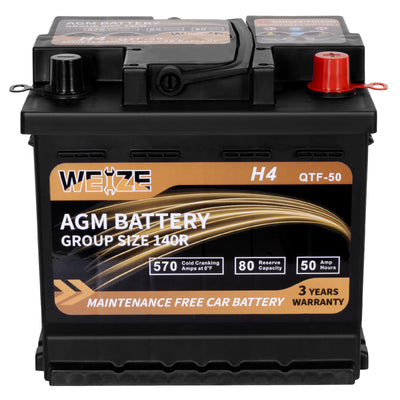
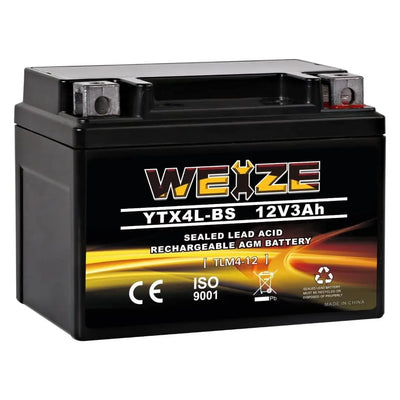
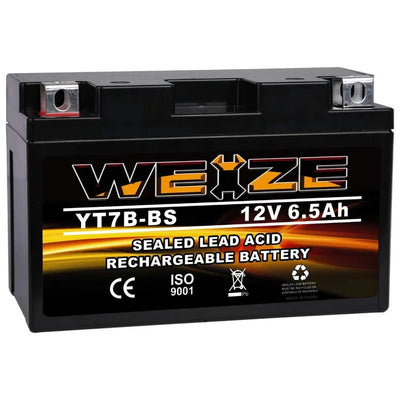
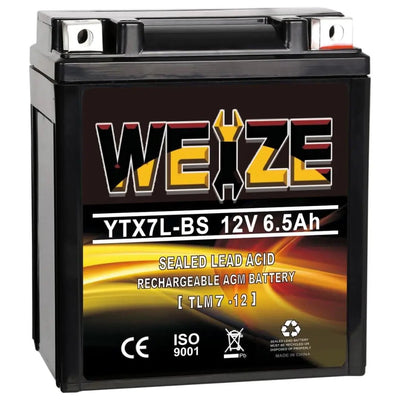
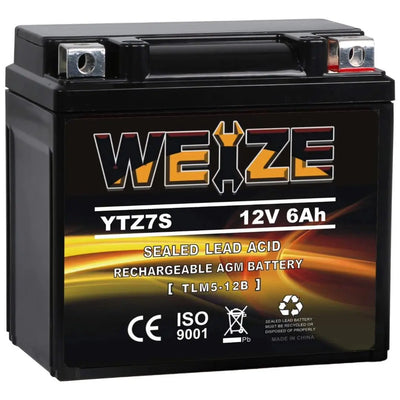
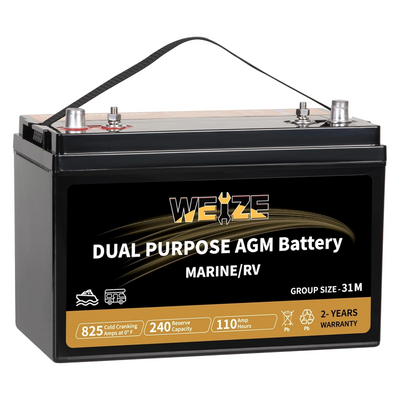
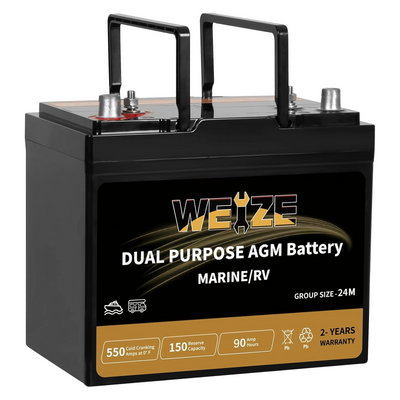
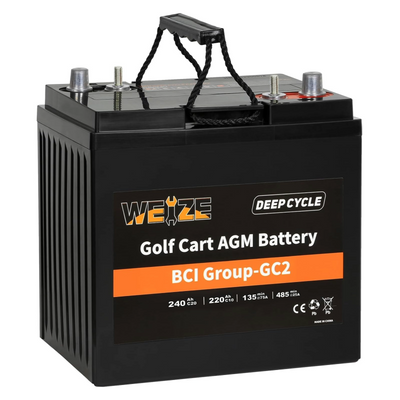
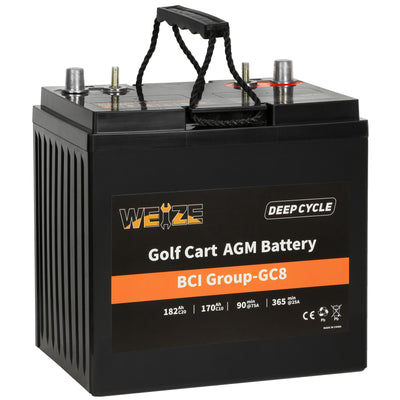
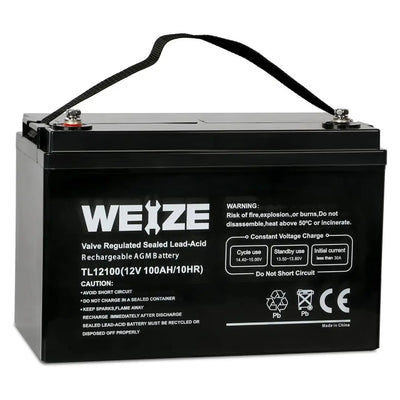
The WEIZE AGM battery, like the Group 49 12 V 95 Ah model you’ll find from many modern battery makers, uses fiberglass mats to absorb the electrolyte instead of letting it slosh around. That design makes the battery completely sealed, spill-proof, and much more resistant to vibration or extreme weather.
Think of it as the “next generation” of the traditional battery—built for modern cars with higher electrical demands, smart technology, and drivers who want reliability without maintenance.
Everyday Life: Where You’ll Feel the Difference
Cold Starts and Hot Summers
In cold climates, traditional batteries often struggle because chemical reactions slow down. AGMs, on the other hand, have lower internal resistance, which means they deliver stronger, faster power when it’s below freezing.
And in extreme heat, AGMs resist corrosion and fluid evaporation better than old-school batteries—critical if you live in places like Texas, Arizona, or Florida.
Simply put: AGMs keep your car ready to start whether it’s 10°F or 100°F.
For Stop-and-Go or Short Drives
If you do a lot of short trips or drive a newer car with features like heated seats, sensors, and a start-stop system, your battery works harder than you think. Traditional flooded batteries can lose charge faster under those conditions. AGMs recharge more efficiently and handle repeated discharge cycles without losing capacity as quickly.
That means fewer jump starts, fewer “dead battery” mornings, and more peace of mind.
Maintenance-Free Living
Many flooded batteries still require occasional checks for fluid levels and corrosion. AGMs are sealed and maintenance-free—you just install it and forget it. For busy drivers who’d rather not pop the hood every few months, this alone makes them worth it.
The Key Differences
| Feature | Traditional Battery | AGM Battery |
|---|---|---|
| Electrolyte Type | Liquid, may require maintenance | Absorbed in fiberglass mats, sealed |
| Vibration Resistance | Moderate | Excellent |
| Spill Risk | Possible | None |
| Cold-Cranking Performance | Average | Superior |
| Lifespan | ~3-5 years | ~4-7 years |
| Price | Lower upfront | Higher upfront, longer value |
| Ideal Use | Older cars, mild climates | Modern, high-demand or extreme-weather vehicles |
While AGM batteries cost more upfront, the payoff comes in reliability, performance, and lifespan—especially for modern vehicles that rely heavily on electrical systems.
When a Traditional Battery Still Works
Not everyone needs an AGM. If you drive an older vehicle with few electronics, live in a mild climate, and typically take long drives (giving your alternator plenty of time to recharge), a good quality flooded battery can still do the job at a lower price.
But for most daily drivers in today’s world—short trips, harsh weather, power-hungry cars—AGM technology simply holds up better.
What to Check Before Upgrading
-
Your Vehicle’s Manual: See if your car calls for AGM. Many new models do.
-
Battery Group Size: Match it (like Group 49/H8) to fit properly in your vehicle.
-
Electrical Load: Lots of accessories or a start-stop system? AGM is the safer choice.
-
Climate: Extreme temperatures make AGM performance shine.
-
Budget: Expect to pay more upfront but save over time through longevity and reliability.
Real-World Example
Take a 12 V 95 Ah Group 49 AGM battery, a popular fit for full-size sedans, SUVs, and trucks. It’s built to handle the high energy demand of today’s vehicles—heated seats, infotainment systems, onboard computers—while still delivering consistent power even in harsh weather.
That sealed design means no leaks, no acid smell, no maintenance. Just reliable starts every morning. It’s the kind of upgrade that turns “hope it starts” into “of course it starts.”
The Bottom Line
If you drive a modern car, value reliability, and don’t want to fuss with battery maintenance, AGM is worth the upgrade. It’s stronger, safer, and smarter for how we drive today.
But even if you stick with a traditional battery, understanding these differences helps you buy confidently—and avoid getting stranded on a cold morning.
So next time your mechanic mentions “AGM,” you’ll know it’s not just marketing—it’s modern technology built to make your daily life easier, safer, and a whole lot more reliable.


