
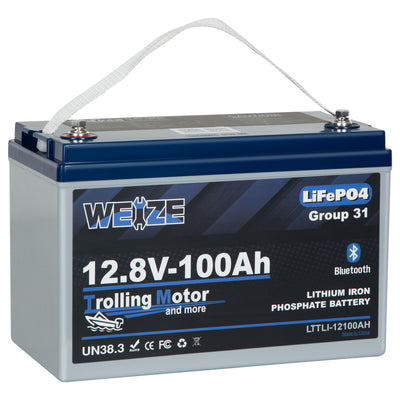
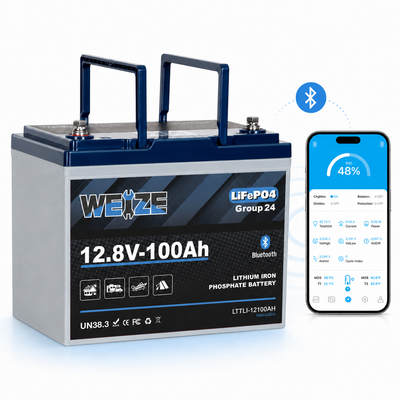
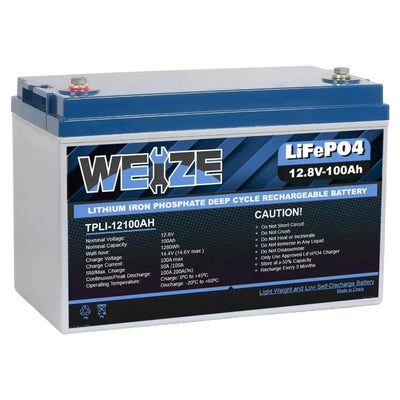
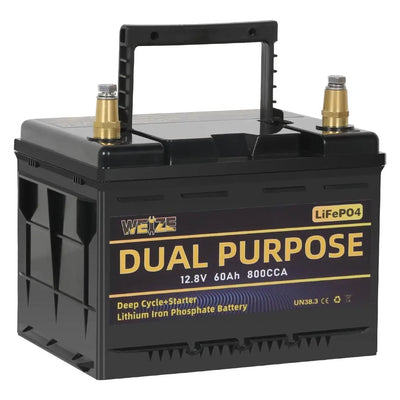
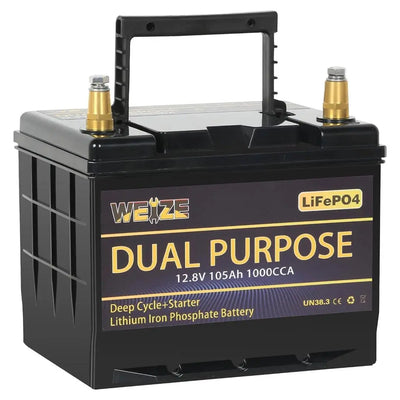



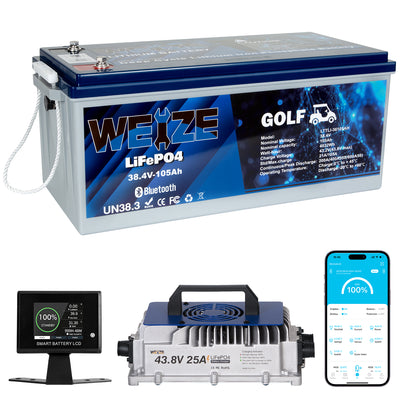
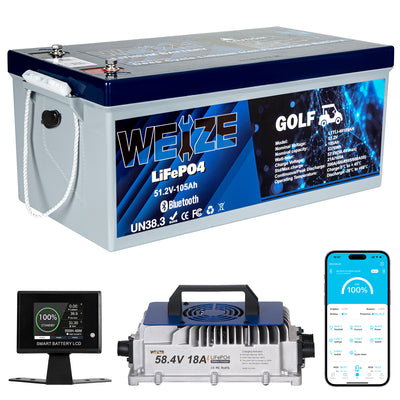
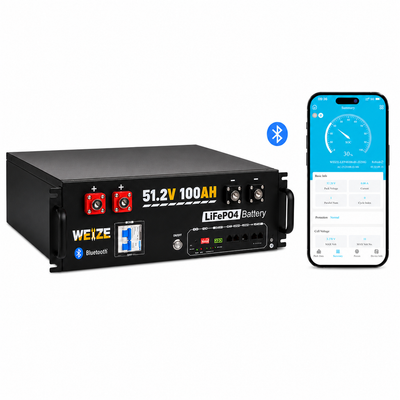



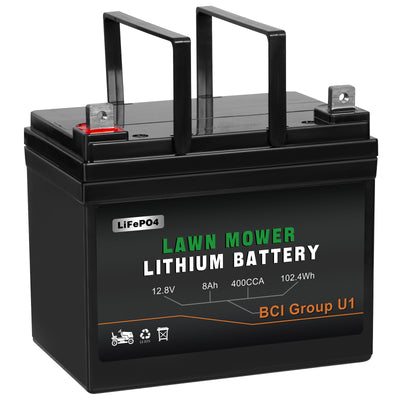
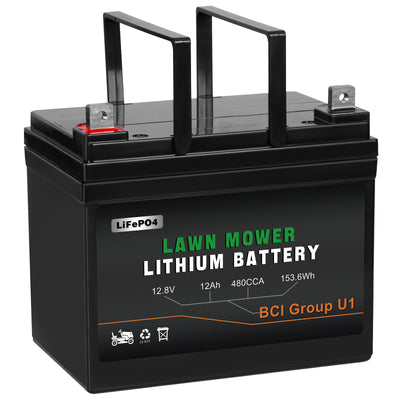
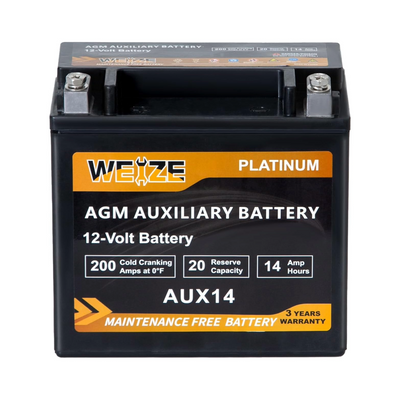
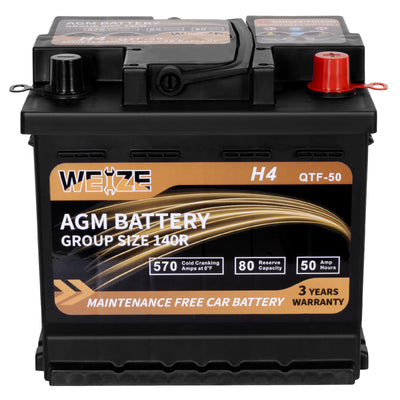
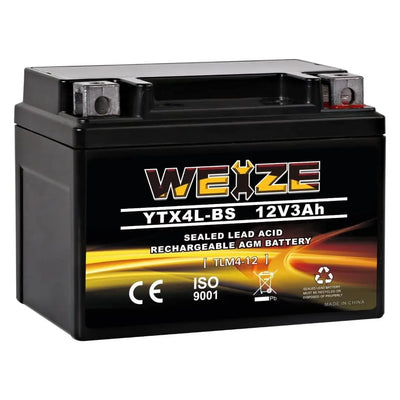
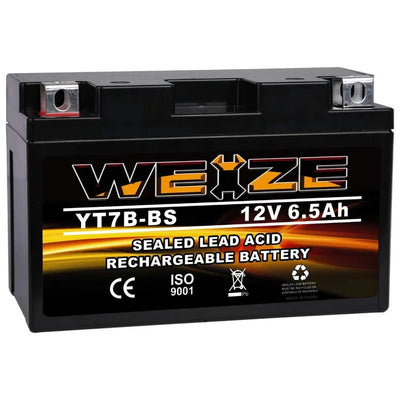
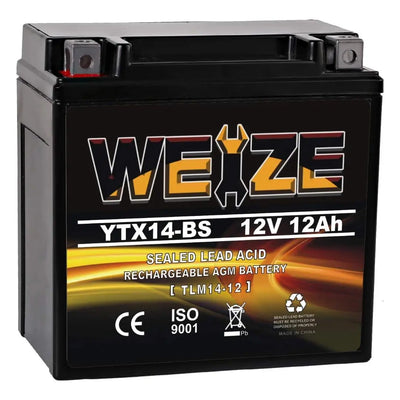
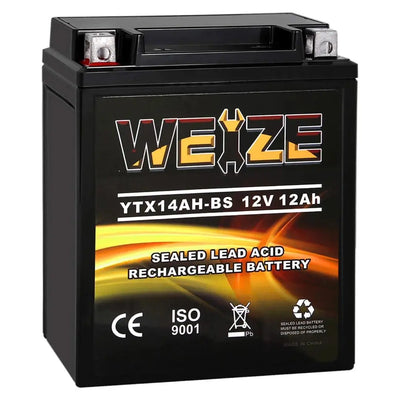
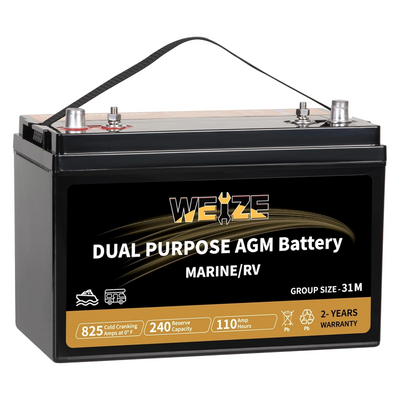
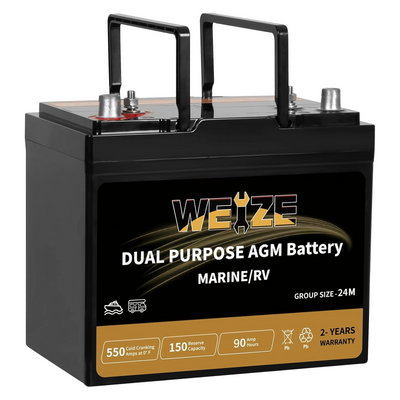
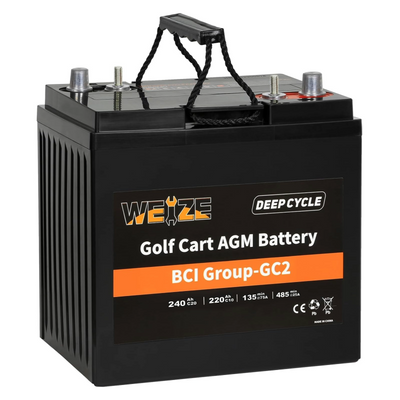

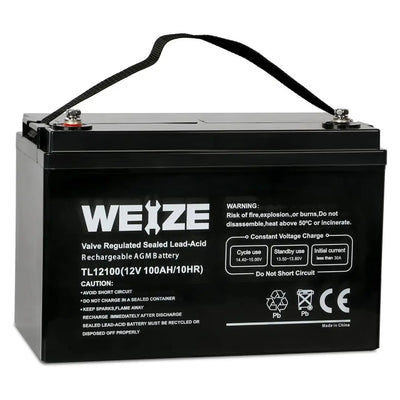
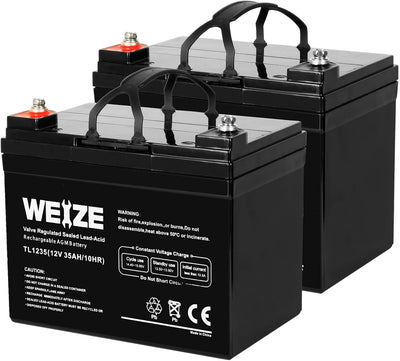

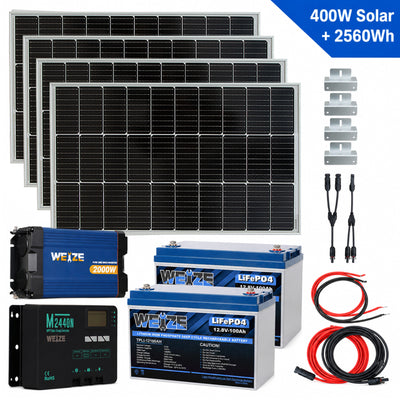


LiFePO4 (Lithium Iron Phosphate) batteries have become the gold standard for reliable energy storage in RV systems, marine applications, solar installations, and off-grid power setups. Their superior lifespan, safety profile, and stable performance make them a worthwhile investment.
But what happens when your lithium battery stops holding a charge, shows strange voltage readings, or simply doesn’t perform as expected? Many users prematurely declare their batteries dead—only to discover they could have been restored with proper testing.
In this practical guide, we’ll walk you through the exact testing process used by professional technicians to evaluate LiFePO4 battery health, diagnose common issues, and determine whether your battery is safe to reuse, resell, or needs replacement.
Why LiFePO4 Testing Differs from Lead-Acid
Unlike traditional lead-acid batteries, LiFePO4 batteries incorporate a Battery Management System (BMS) that provides critical protection. This means symptoms like “zero voltage” don’t necessarily equal failure. Understanding how to properly test these advanced batteries can save you hundreds of dollars in unnecessary replacements.
Step 1: Diagnose with a Multimeter (The Voltage Check)
The fastest initial assessment comes from measuring your battery’s open-circuit voltage with a standard multimeter. Here’s how to interpret the readings:
🔋 0–2V: Sleep Mode (BMS Protection)
-
What it means: Your battery is likely in low-voltage protection mode after deep discharge, not necessarily damaged.
-
Common cause: Leaving lights or devices on in your RV, prolonged storage without maintenance charge.
-
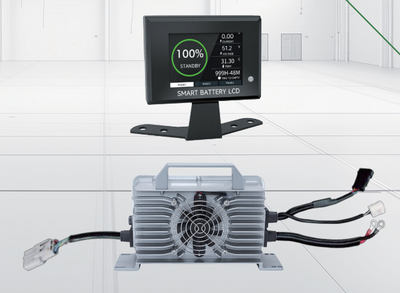
Solution: Use a LiFePO4-specific charger with 0V activation (wake-up) function. Standard chargers often can’t detect batteries at this voltage.
⚠️ 2–10V: Possible BMS Failure
-
What it means: The BMS may have malfunctioned and can no longer regulate charging/discharging safely.
-
Professional recommendation: User repair is not advised. Send for professional inspection or factory service.
✅ 10–13.5V: Normal Operating Range
-
What it means: The battery is likely functional, but voltage alone doesn’t confirm capacity.
-
Next step: Proceed to performance testing below.
Step 2: Performance Testing – The Real Health Indicator
Voltage tells only part of the story. To truly evaluate your battery, you need to test its actual energy delivery capabilities.
Equipment You’ll Need:
-
LiFePO4-compatible smart charger
-
Inverter or controlled load (like a DC heater or lamp)
-
Battery capacity tester (optional but recommended)
-
Timer
1. The Discharge Test
Connect your battery to a consistent load and observe:
-
Does it deliver steady power without voltage spikes or drops?
-
Does it run devices for the expected duration?
-
Does it shut down smoothly at low-voltage cutoff?
Pro Tip: For a 100Ah battery, a 10A load should theoretically run for 10 hours. Significant deviation indicates capacity loss.
2. Charging Time Verification
Charging duration provides excellent insight into battery health.
Example Calculation:
For a 100Ah battery with a 20A charger:
100Ah ÷ 20A = 5 hours (plus some efficiency loss)
What to observe:
-
✅ Normal: Charging completes in approximately expected time
-
🚩 Warning: Battery reaches “full” significantly faster than calculated (suggests reduced capacity)
-
🚩 Concern: Charging takes much longer than expected (possible cell imbalance or BMS issues)
3. Post-Charge Voltage Verification
After full charge:
-
Disconnect the charger
-
Let the battery rest for 30-60 minutes
-
Measure voltage again
Healthy Result: 13.2V – 13.5V
Concerning Result: Below 13.2V (may indicate cell imbalance or degradation)
Common Testing Mistakes to Avoid
Many DIY users misdiagnose their LiFePO4 batteries by:
-
Assuming low voltage means total failure (often just sleep mode)
-
Using incompatible chargers (lead-acid chargers can damage LiFePO4)
-
Judging capacity by “gut feeling” instead of measured discharge tests
-
Ignoring temperature considerations (performance varies with temperature)
-
Overlooking connection issues (corroded terminals mimic battery failure)
When Is Your LiFePO4 Battery Still Good?
Your battery is likely healthy and serviceable if it meets all these criteria:
-
✅ Voltage measures above 10V before charging
-
✅ Discharges steadily without sudden drops or shutdowns
-
✅ Charges within 20% of calculated time based on charger amperage
-
✅ Resting voltage after charge reaches 13.2–13.5V
-
✅ No physical damage, swelling, or unusual heat during operation
-
✅ Capacity test delivers at least 80% of rated capacity
Professional Testing for Resale or Critical Applications
If you’re planning to resell your battery or depend on it for critical applications:
-
Perform a full capacity test using a dedicated battery analyzer
-
Check internal resistance if your tester provides this function (increasing resistance indicates aging)
-
Document all test results for potential buyers
-
Consider professional evaluation for high-value batteries
Final Recommendations
For Maintenance:
-
Store LiFePO4 batteries at 50-70% charge
-
Perform quarterly voltage checks
-
Use only compatible lithium chargers
For Troubleshooting:
-
Always start with multimeter voltage check
-
Verify charger compatibility before concluding battery failure
-
When in doubt, consult with battery specialists
For Replacement Decisions:
-
Batteries below 80% of original capacity may need replacement for demanding applications
-
Multiple unbalanced cells usually warrant professional repair or replacement
-
Consider upgrade opportunities when replacing older batteries
Conclusion
Proper testing not only saves money but ensures safety. Whether you’re troubleshooting your RV house battery, evaluating marine batteries for the upcoming season, or maintaining your solar storage system, understanding these testing principles will help you make informed decisions.
Remember: A “dead” lithium battery is often just sleeping. With the right knowledge and tools, you can accurately diagnose issues, restore functional batteries, and confidently identify those truly needing replacement.
Need help with your specific battery setup? Share your testing results or questions in the comments below—our community of battery enthusiasts and experts is here to help!


